
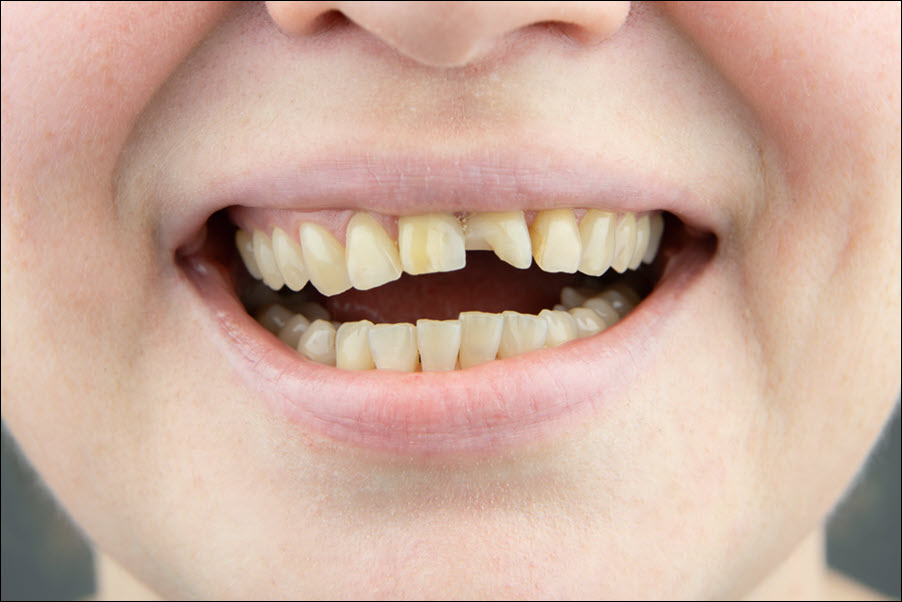
How Dental Bonding Repairs Chipped Teeth
Chipped teeth are common, often caused by accidents, biting hard foods, or grinding. While small chips may not cause pain, they can affect appearance and confidence. Left untreated, chips may worsen or lead to sensitivity. Dental bonding provides a simple, effective solution. By restoring natural shape and color, bonding repairs chipped teeth quickly and affordably.
The Bonding Procedure for Chips
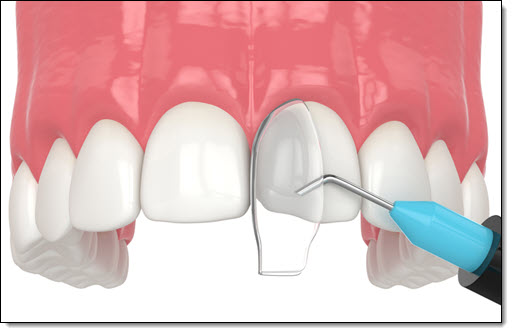 The dentist begins by examining the chip and ensuring the tooth is healthy. After cleaning and preparing the surface, resin matched to the tooth’s shade is applied. The material is shaped to recreate the natural contour. A curing light hardens the resin, which is then polished to match surrounding enamel. The procedure usually takes less than an hour and requires no anesthesia.
Aesthetic Benefits of Bonding
Bonding blends seamlessly with natural enamel, making chips virtually invisible. Patients regain confidence immediately, as the repaired tooth looks whole again. For front teeth, bonding restores symmetry and creates a natural smile line. The affordability and speed make it one of the most accessible cosmetic treatments available.
Functional Advantages
Beyond appearance, bonding restores function. Chipped teeth may have sharp edges that irritate the tongue or lips. They may also weaken over time. Bonding strengthens the tooth, protecting it from further damage. While not as durable as crowns, bonding provides sufficient reinforcement for small chips. Patients leave able to eat and speak comfortably again.
Care and Longevity
Bonded teeth require the same care as natural teeth. Patients should avoid chewing hard foods or biting nails to prevent chipping. Good hygiene and regular checkups maintain the restoration’s strength and beauty. Bonding typically lasts 5–10 years, though touch-ups may be needed.
Dental bonding effectively repairs chipped teeth, restoring both function and aesthetics. Its speed, affordability, and natural results make it an ideal solution. Patients regain confidence and comfort in a single visit, proving that small chips no longer require major treatment.
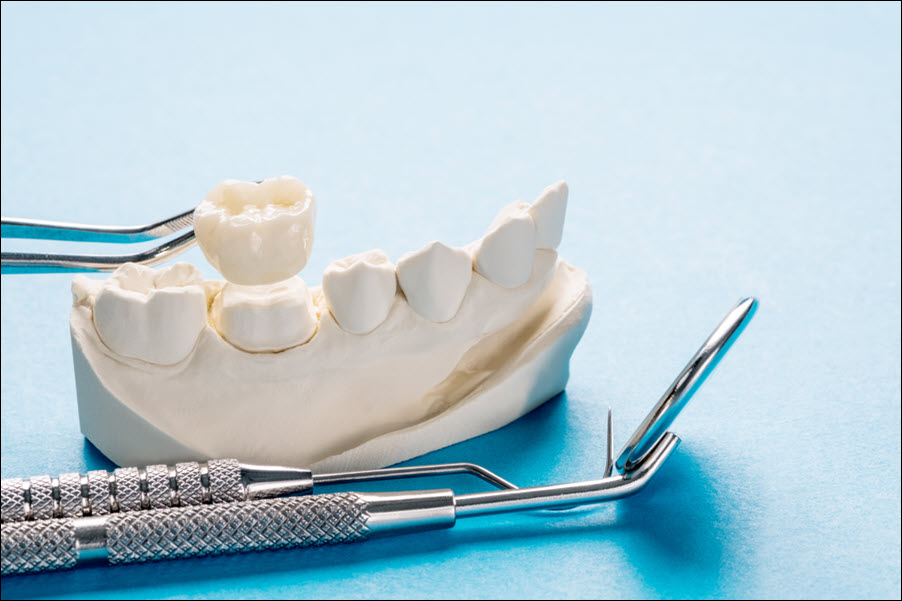
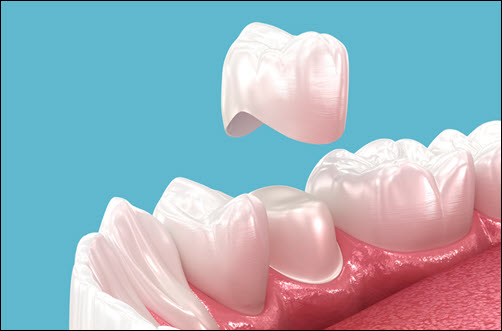 Dental crowns repair cracked and fractured teeth, restoring strength and stability. Cracks weaken tooth structure and increase sensitivity. Dentists clean and shape the damaged tooth before placing the crown. The crown protects the tooth from pressure and further cracking. Porcelain and ceramic crowns resist chipping and wear. Metal crowns provide extra strength for back teeth under heavy pressure. Proper crown fit improves chewing efficiency and reduces tooth sensitivity. Bonding creates a secure hold, increasing bite strength. Crowns prevent cracks from spreading and damaging neighboring teeth. Stronger teeth improve chewing comfort and bite stability. Properly fitted crowns increase long-term tooth durability.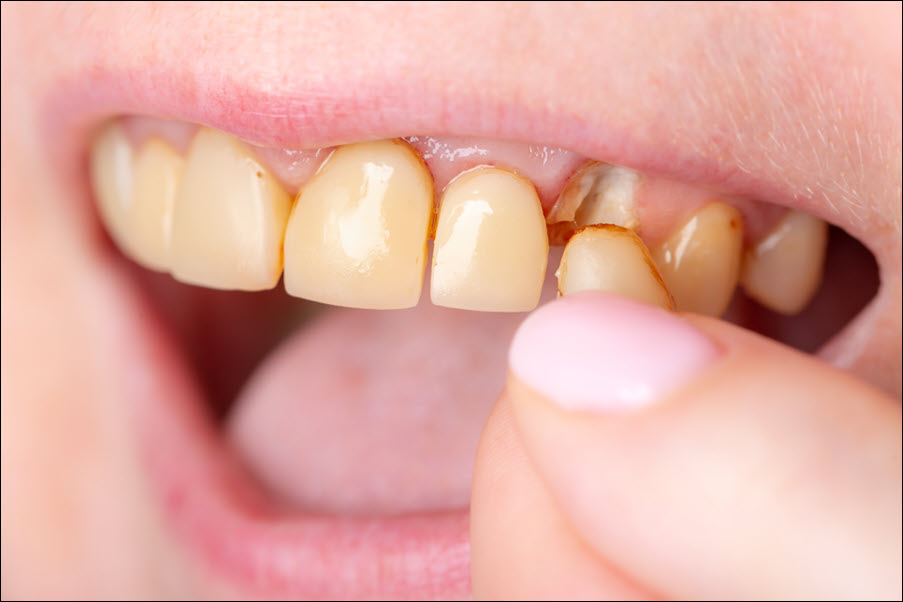
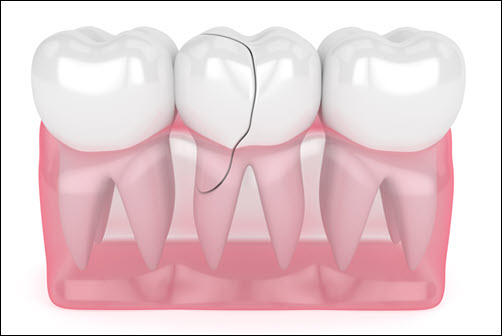 Dental bonding repairs minor chips and cracks with a tooth-colored resin. Dentists apply the resin directly to the damaged area. After shaping, the resin hardens under a curing light. Bonding creates a smooth, natural-looking surface that blends with natural enamel. The bonding material strengthens weak spots and improves bite strength. Proper bonding increases resistance to pressure and reduces sensitivity. Bonding requires minimal enamel removal, preserving natural tooth structure. The process takes about 30 to 60 minutes per tooth. Bonded teeth resist staining and surface wear. Professional care increases bonding strength and surface durability. Stronger, smoother teeth improve both comfort and smile appearance.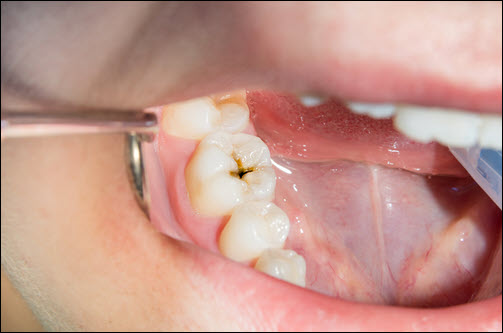
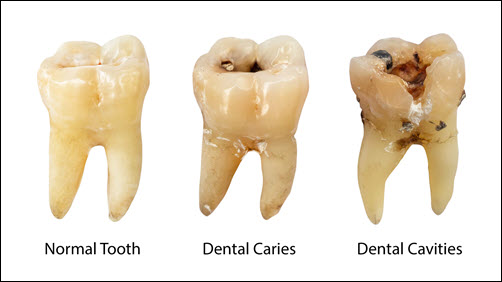 Stage 2: Enamel Decay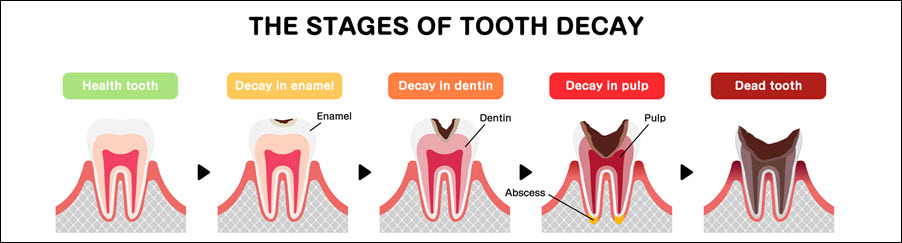
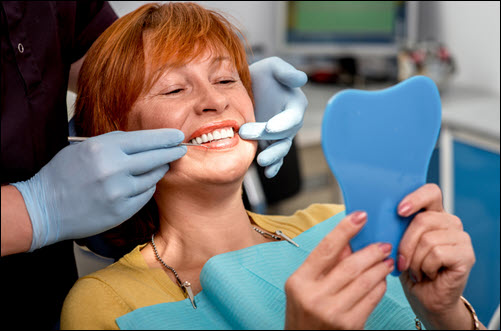
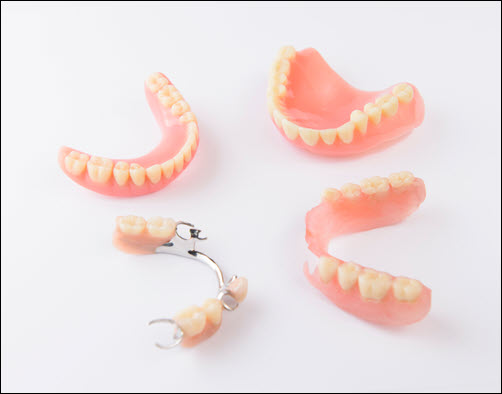 Advancements in dental materials and technology have significantly improved the comfort, fit, and appearance of dentures. These modern dental appliances can be made to look very natural. Accordingly, they closely mimic the appearance of real teeth and gums. For those seeking a more secure fit, implant-supported dentures provide an option that anchors them to the jawbone. This reduces movement and increases comfort.