
What Causes Gingivitis and How to Prevent It

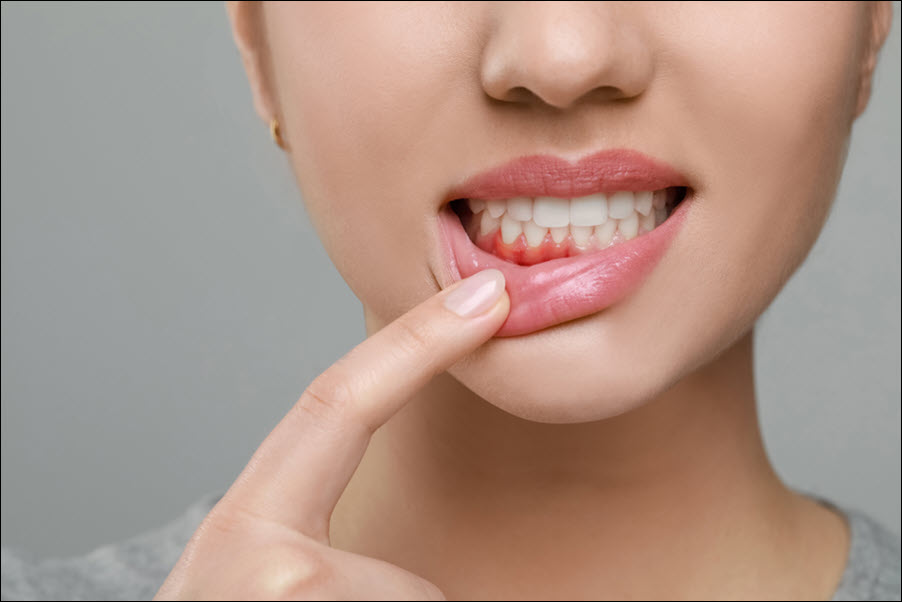
Gingivitis is the earliest stage of gum disease, marked by redness, swelling, and bleeding gums. While common, it is preventable and reversible with proper care. Understanding the causes and adopting preventive strategies protects oral health and prevents progression to more serious conditions. By making small changes in daily routines, patients safeguard both their gums and overall wellness.

Causes of Gingivitis

The main cause of gingivitis is plaque buildup. Plaque is a sticky film of bacteria that forms on teeth after eating. If not removed by brushing and flossing, it hardens into tartar, irritating gums and triggering inflammation. Poor oral hygiene, smoking, and certain medications increase risk. Hormonal changes, such as those during pregnancy, also make gums more sensitive. Recognizing these risk factors allows patients to take proactive measures before gum health declines.
Gingivitis

Symptoms to Watch For

Early signs include red, swollen gums that bleed during brushing or flossing. Persistent bad breath and tenderness may also appear. Because gingivitis often causes little pain, patients may ignore symptoms. However, untreated gingivitis can progress into periodontitis, leading to irreversible bone loss and tooth loss. Early detection is critical for maintaining healthy gums and preventing complications.

Preventive Measures

Brushing twice daily with fluoride toothpaste removes plaque effectively. Flossing once daily cleans areas that brushes cannot reach. Antimicrobial mouthwash reduces bacterial load and freshens breath. Regular dental checkups allow professionals to detect gingivitis early and perform cleanings to remove tartar. Lifestyle changes, such as quitting smoking and maintaining balanced nutrition, further protect gums. Hydration also helps by stimulating saliva, which naturally defends against bacteria.

Professional Treatment

When gingivitis develops, dentists perform professional cleanings to remove tartar and plaque buildup. Patients may also receive personalized hygiene instructions. With consistent care, gingivitis typically reverses within weeks. Ignoring treatment risks escalation to periodontitis, which is more complex and costly to manage.

Gingivitis stems from plaque buildup but is entirely preventable. By practicing good hygiene, attending regular checkups, and addressing risk factors, patients maintain strong, healthy gums. Prevention not only protects oral health but also supports overall well-being.

Periodontal Disease: Causes, Symptoms, and Treatment Options

Periodontal disease, also known as gum disease, is a common oral health condition.  It affects the gums and the surrounding structures of the teeth. It ranges from mild inflammation, known as gingivitis, to more severe forms such as periodontitis.  Periodontitis can lead to tooth loss if left untreated. Understanding the causes, symptoms, and treatment options for gum disease is essential for maintaining good oral health and preventing serious complications.

Gum DiseaseCauses of Periodontal Disease

    1. Plaque Buildup: The primary cause of gum disease is the buildup of plaque.  Plaque is a sticky film of bacteria that forms on the teeth. If plaque is not removed through regular brushing and flossing, it hardens into tartar, which can only be removed by a dental professional. The presence of tartar irritates the gums and provides a breeding ground for bacteria, leading to inflammation and infection.
    2. Risk Factors: Several factors can increase the risk of developing periodontal disease.  These include smoking, poor oral hygiene, genetic predisposition, certain medical conditions (such as diabetes), hormonal changes (such as pregnancy), and medications that reduce saliva flow. These factors can compromise the body’s ability to fight infection, making the gums more susceptible to disease.

Symptoms of Periodontal Disease

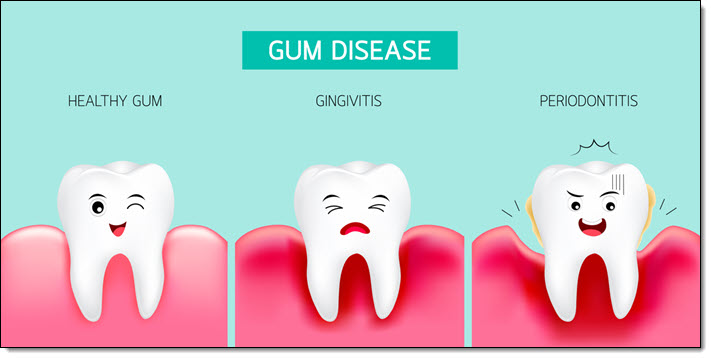
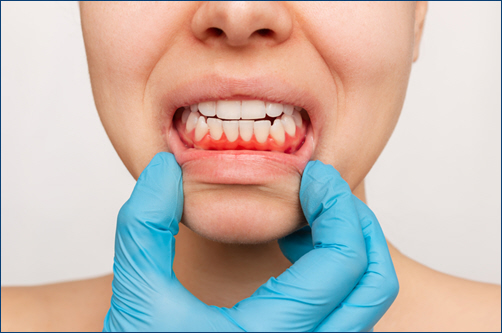
    1. Gingivitis: The early stage of periodontal disease, gingivitis, is characterized by red, swollen gums that may bleed during brushing or flossing. At this stage, the damage is reversible with proper oral hygiene and professional dental care.
    2. Periodontitis: If gingivitis is not treated, it can progress to periodontitis, a more severe form of gum disease. Symptoms of periodontitis include persistent bad breath, receding gums, the formation of deep pockets between the teeth and gums, loose or shifting teeth, and pain when chewing. Periodontitis can lead to the destruction of the supporting bone structure and, ultimately, tooth loss.

Treatment Options for Periodontal Disease

    1. Non-Surgical Treatments: In the early stages of periodontal disease, non-surgical treatments can effectively manage the condition. Scaling and root planing, a deep-cleaning procedure, removes plaque and tartar from below the gumline and smooths the root surfaces to promote healing. Antibiotics may also be prescribed to eliminate bacterial infection.
    2. Surgical Treatments: In more advanced cases, surgical intervention may be necessary. Procedures such as flap surgery, bone grafts, and guided tissue regeneration can help restore damaged gum and bone tissue. These treatments aim to eliminate infection, reduce pocket depth, and regenerate supporting structures.
    3. Ongoing Maintenance: After treatment, maintaining good oral hygiene is crucial to prevent the recurrence of periodontal disease. Regular dental check-ups and professional cleanings, along with daily brushing and flossing, are essential for keeping gums healthy.

Periodontal disease is a serious oral health condition that can lead to significant complications if left untreated. By understanding its causes and symptoms, individuals can take proactive steps to prevent and manage the disease. Early intervention and a commitment to good oral hygiene are key to maintaining healthy gums and teeth. Regular visits to a dental professional can help detect and address periodontal disease in its early stages, ensuring long-term oral health and well-being.